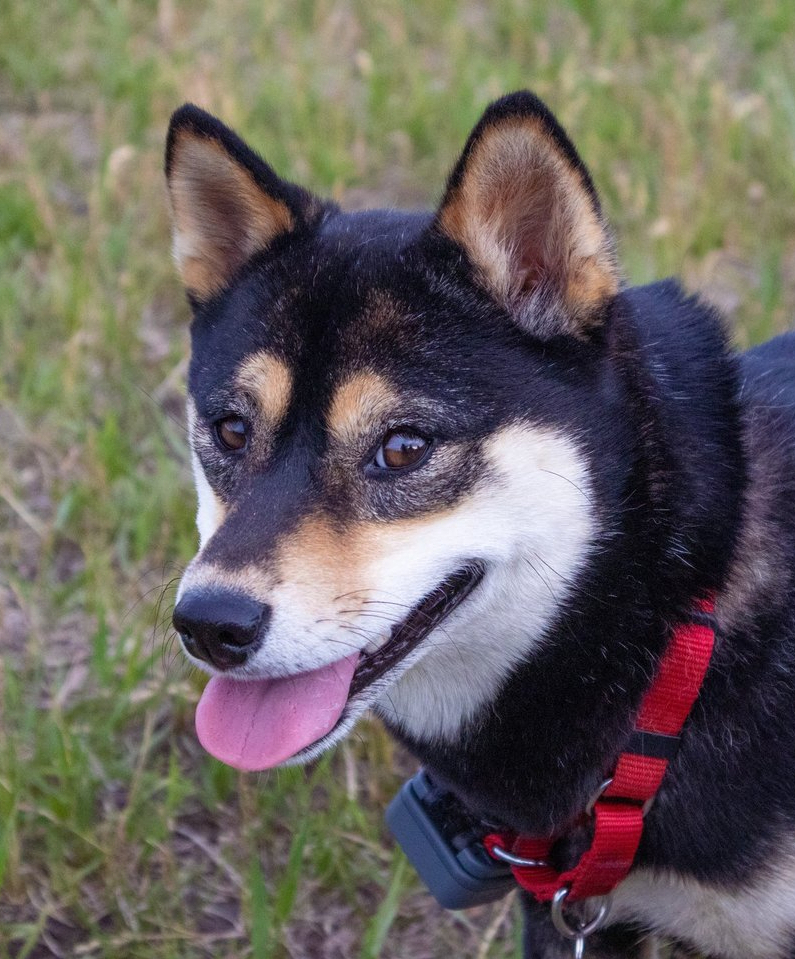
They’re fluffy, fox-like, and utterly adorable but the internet will tell you that a Shiba Inu is not a good choice for a first time dog owner. And it’s not wrong. But it’s not unequivocally right either. Reality is a lot more nuanced.
All dog breeds have their quirks and Shibas tend to have traits that can be challenging for first time dog owners. The Shiba Inu’s independence and strong will can make them harder to motivate, make recall a challenge, and means that intentional, consistent leadership is a must. Same sex aggression, territoriality, and other behavioural challenges can be more common as it is in many primitive breeds. They can be prone to theatrics (look up the Shiba scream). Shibas also tend not to be lapdogs, offering affection on their own terms, which some people might find disappointing. There are always exceptions of course, but in general, this is a breed with a mind of its own that demands you put in the work to earn its respect.
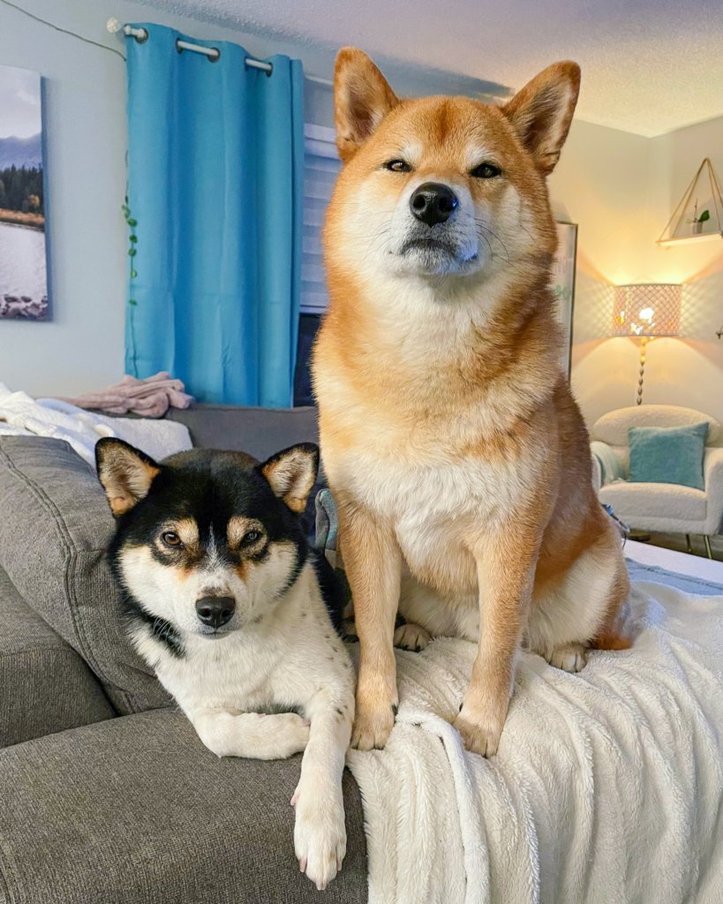
Some questions you should ask yourself when considering if a Shiba Inu is the right fit:
What are my expectations of a dog?
I actually think that going in as a first time owner can sometimes be an advantage here. I often hear complaints that Shibas don’t act like someone’s family dog did growing up. They don’t want cuddle on the couch; they can’t be off-leash camping. If you don’t have anything to compare to, you might not be disappointed if your Shiba doesn’t behave like this. That said, even if you’ve never had a dog before, it’s important to examine your expectations. Are you looking for a dog that will want to sit in your lap, go running through the forest with you on off-leash trails, accept baths and nail trims with good grace? Or are you open to a dog that is often described as more cat-like in its behaviours?
On the flip side, having had dogs before, particularly breeds that are prone to more challenging behaviours (Chow Chows, Huskys, Akitas, etc I’m looking at you), can be an asset when it comes to the Shiba’s more patience-testing antics. You’ll be less likely to be discouraged and caught off guard by them. Having had dogs before, you’ll also have a better idea of how much work they are in general. Pet ownership is not a responsibility to be taken lightly and this is not always an easy-going breed.
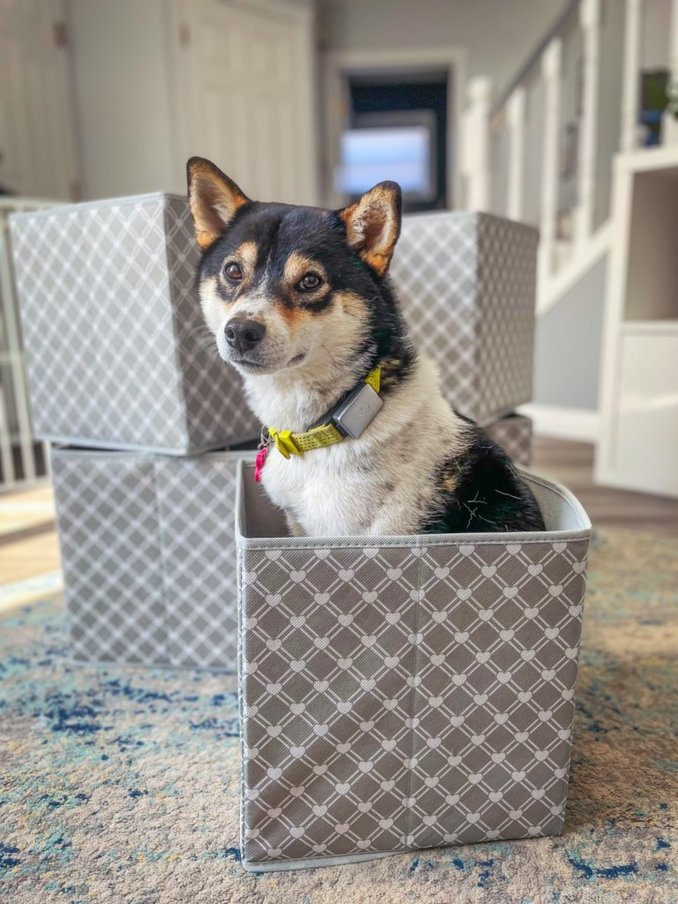
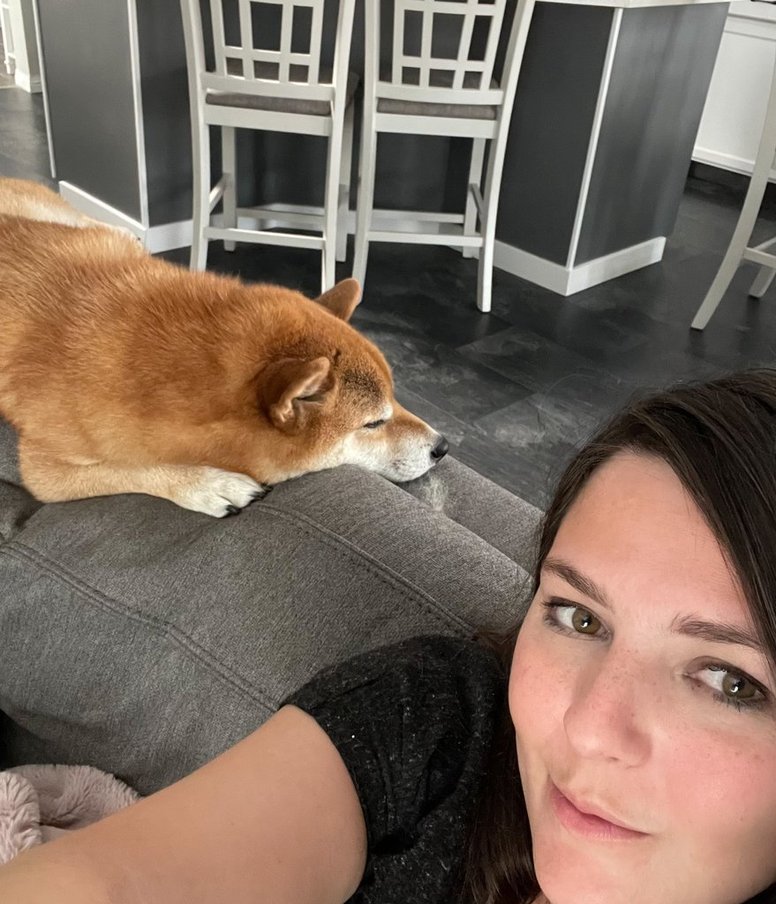
How much work am I willing to put in? How involved can I afford to be?
Are you willing to work with a trainer if behavioural challenges arise? Are you willing to be flexible and adjust your life to accommodate and work through issues like resource guarding, reactivity, anxiety? Are you committed to regular walks and enrichment activities? Shibas are a breed that benefit from lifelong training and engagement. (To be fair, most dogs are but other breeds can be slightly more forgiving). Originally used as hunting dogs in the mountains of Japan, Shibas are highly intelligent, resourceful, and independent. What you get with this combination is a dog that will push buttons and test boundaries if not kept stimulated and provided consistency.
I cannot recommend a reputable puppy or obedience school enough for a first time owner. It is more about teaching you as the handler about dog behaviour and how to set them up for success than anything.
It’s also important to consider what the next decade or so of your life is going to look like. Are you planning to start a family? A new job? Travel? Please consider how life changes may impact demands on your time. Are you willing to prioritize your Shiba when circumstances change? They are not going to suddenly need less attention if a baby comes along or you are offered a job with extended hours. Dogs are living, breathing, feeling creatures–not property that can be handed off to suit our convenience–and should be treated as such.
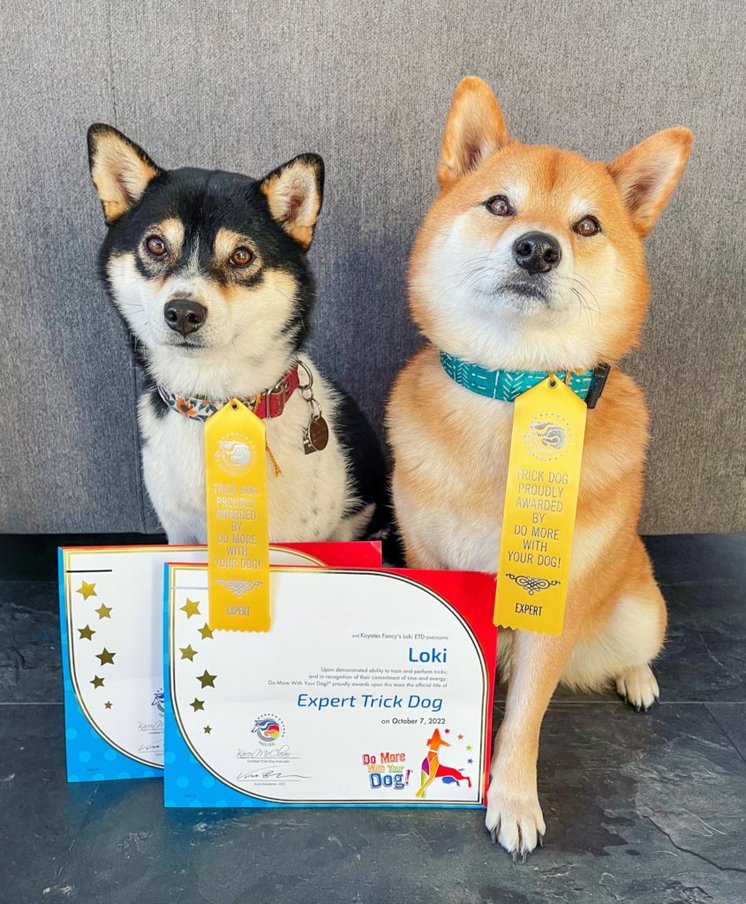
Am I okay if my dog never reaches a point where they can be trusted off-leash?
We have to talk about recall. It comes with the territory of discussing this breed; they are notorious for a reason. I know several Shibas who have great recall. I have one (Raven). But I know far more who struggle and cannot reliably be let off-leash. With hard work, it may be possible to train many if not most dogs to recall but Shibas seem to require more effort than average, again, due to that strong instinctual prey drive and independent mind frame. I think if you’re considering this breed you should contemplate how much work might be required to reach a solid recall, if you’re up for it, and how you will feel if you never get there. I for one do not think I will ever be comfortable with Loki off-leash regardless of the work we put in and we have adjusted our lifestyle to accommodate this.
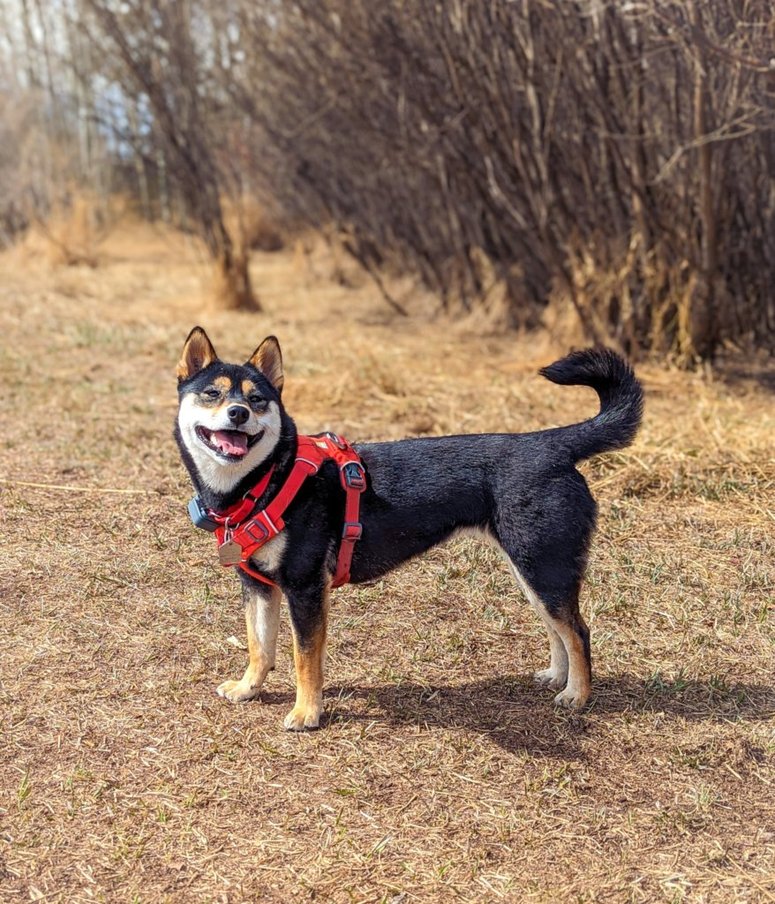
How much shedding am I willing to put up with?
I had to throw this one in here. Most dogs shed but Shibas, like most double-coated breeds, shed A LOT. They shed consistently but a few times a year they will blow their undercoat and you will wonder how they are not bald afterwards due to the sheer volume that comes out. This is not the breed to get if you are not wanting to constantly pick hair off your furniture and clothes. Shibas are not hypoallergenic either, despite common misconception, though some people reportedly find them less irritating. The people I know who are allergic to dogs react to mine like any other breed.
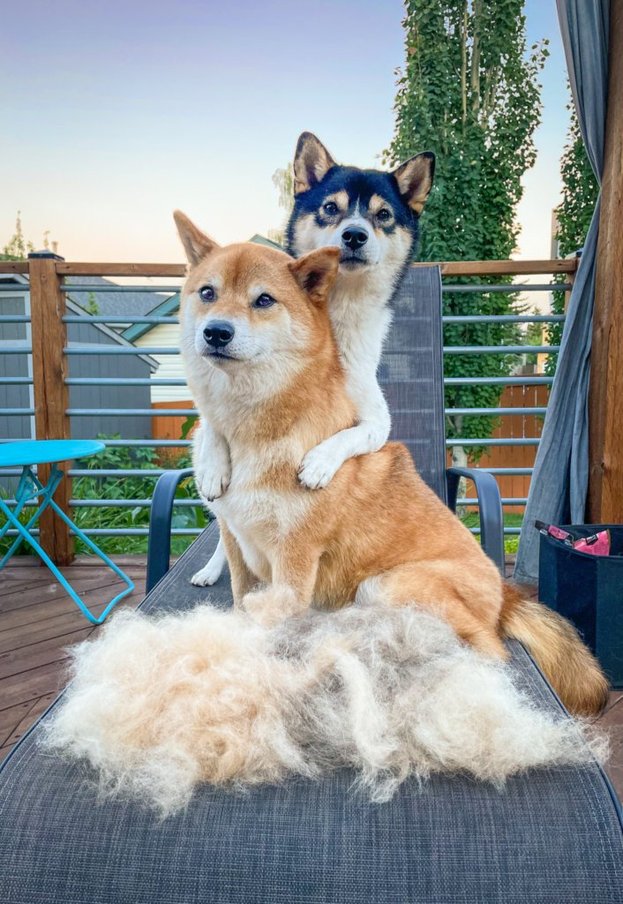
How will I feel if my dog doesn’t get along with others?
This one can be quite individualized to the specific dog but I’m including it because I find Shibas do seem to run on the spicier side. Primitive dog breeds in general tend to be more sensitive, more strong-willed, and more territorial as they have retained more wolf-like traits. This can be a recipe for a high degree of selectivity: basically, they might not like all other dogs and have a lower tolerance for doggy BS. Same sex aggression is a common issue with Shibas. Male-female pairings generally do better together though this is not a hard and fast rule. You also have to consider again their strong prey drive. They are not always a great choice if you have smaller pets in the home although early, positive exposure can help. Something to consider if you’re hoping to have a multi-animal household.
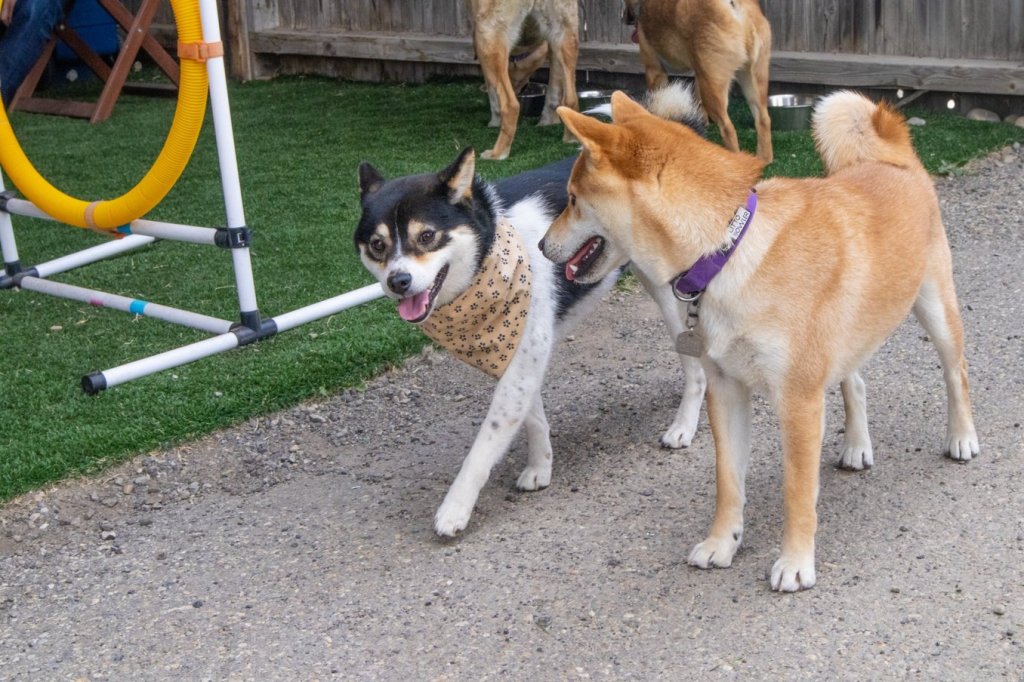
Long story short, Shibas can be a challenging breed. But as much as they are strong-willed, independent, and spirited, they are also highly trainable, loving, and rewarding. If you have done ample research into the breed, ideally have spent some time around them, understand what you might be getting with their quirks, are willing to stick it out through their challenges and put in the work through their life span, then I think Shibas can suit a devoted first time owner. I really just cannot emphasize enough getting to know the breed first. These are dogs with an average lifespan of 12-15 years. That’s more than a decade of commitment.
For further reading, Couch Wolves has an interesting article about traits recommended in a primitive dog breed owner.
If you are not familiar with the breed, not confident and committed to working through the challenging parts for the next decade and a half, or are hoping for other traits (please don’t get a Shiba hoping you’ll get a unicorn), I would suggest considering other breeds to start your journey of pet ownership.

 The Trickster Shibes
Leave a reply to phebe ocampo Cancel reply